As the world looks ahead to the Milano Cortina 2026 Winter Olympics, winter sports are once again in the global spotlight. While Italy's Alpine resorts will host the Games, Japan remains one of the most exciting winter playgrounds on earth for skiers, snowboarders, and snow lovers alike. With legendary powder, volcanic landscapes, and a deep-rooted winter culture, 2026 is an ideal year to chase Olympic-inspired adventures across Japan's snow country.
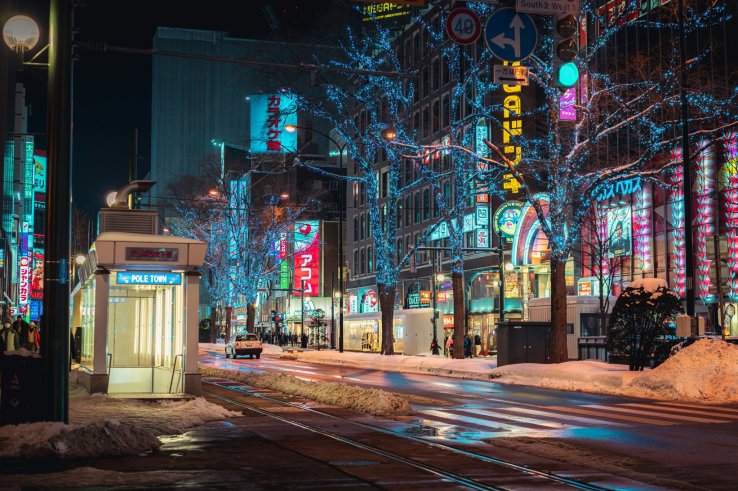
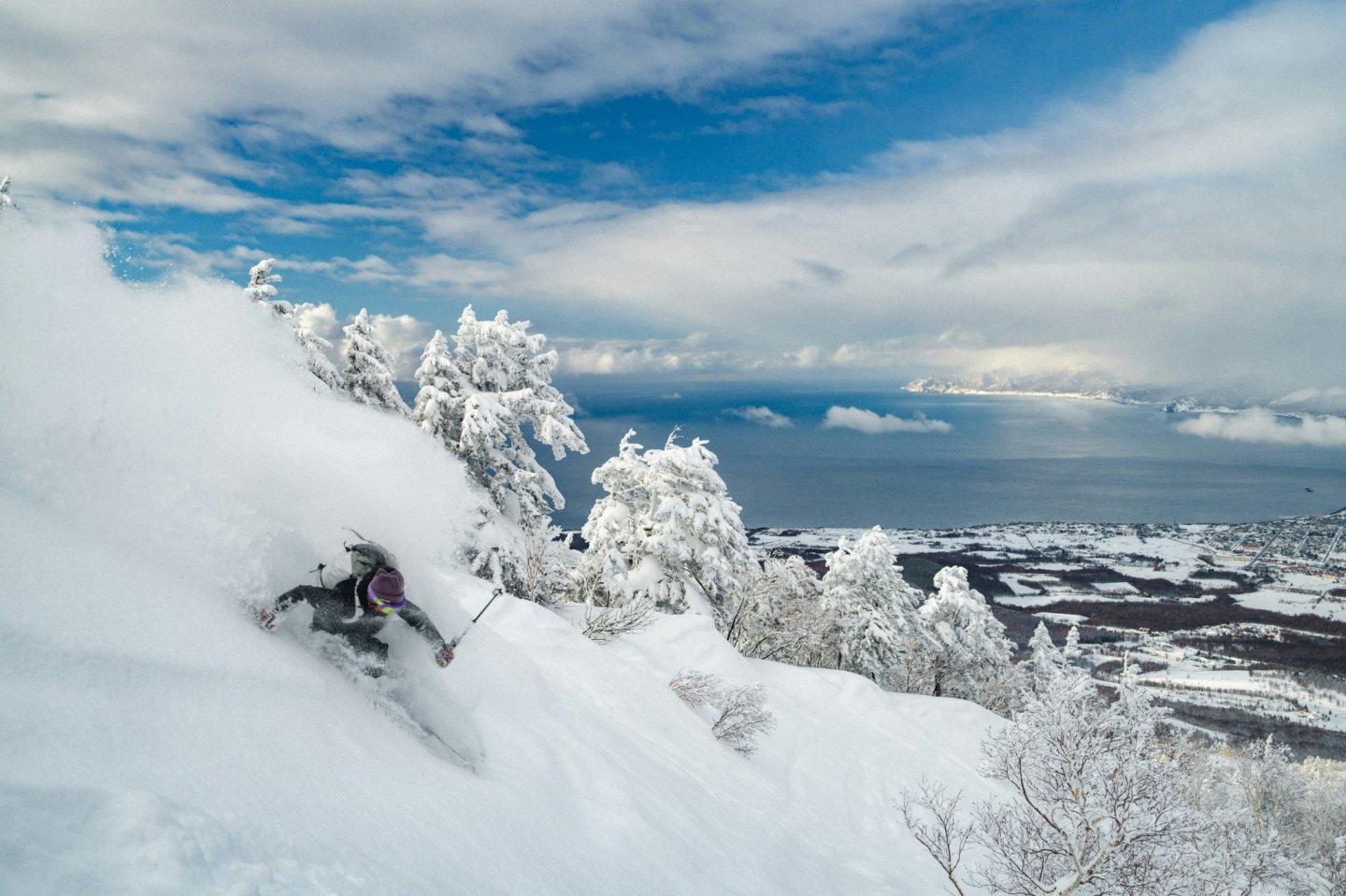
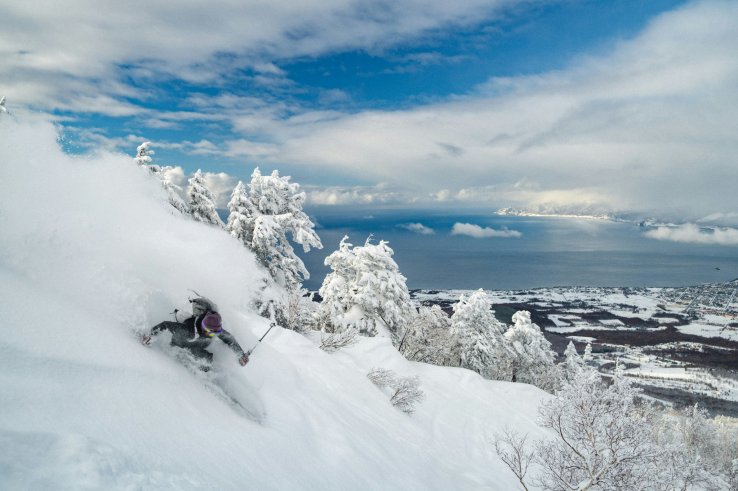
Hokkaido continues to set the benchmark for powder skiing, and resorts such as Niseko have built a worldwide reputation for deep, dry snow and long seasons that often stretch well into spring. Here, Olympic dreams meet reality on perfectly groomed runs, while off the slopes, natural onsens offer the perfect recovery ritual after a long day in the cold. Nearby Furano delivers equally impressive snow with fewer crowds, making it a favorite for those who want serious skiing without the buzz of a major international hub.
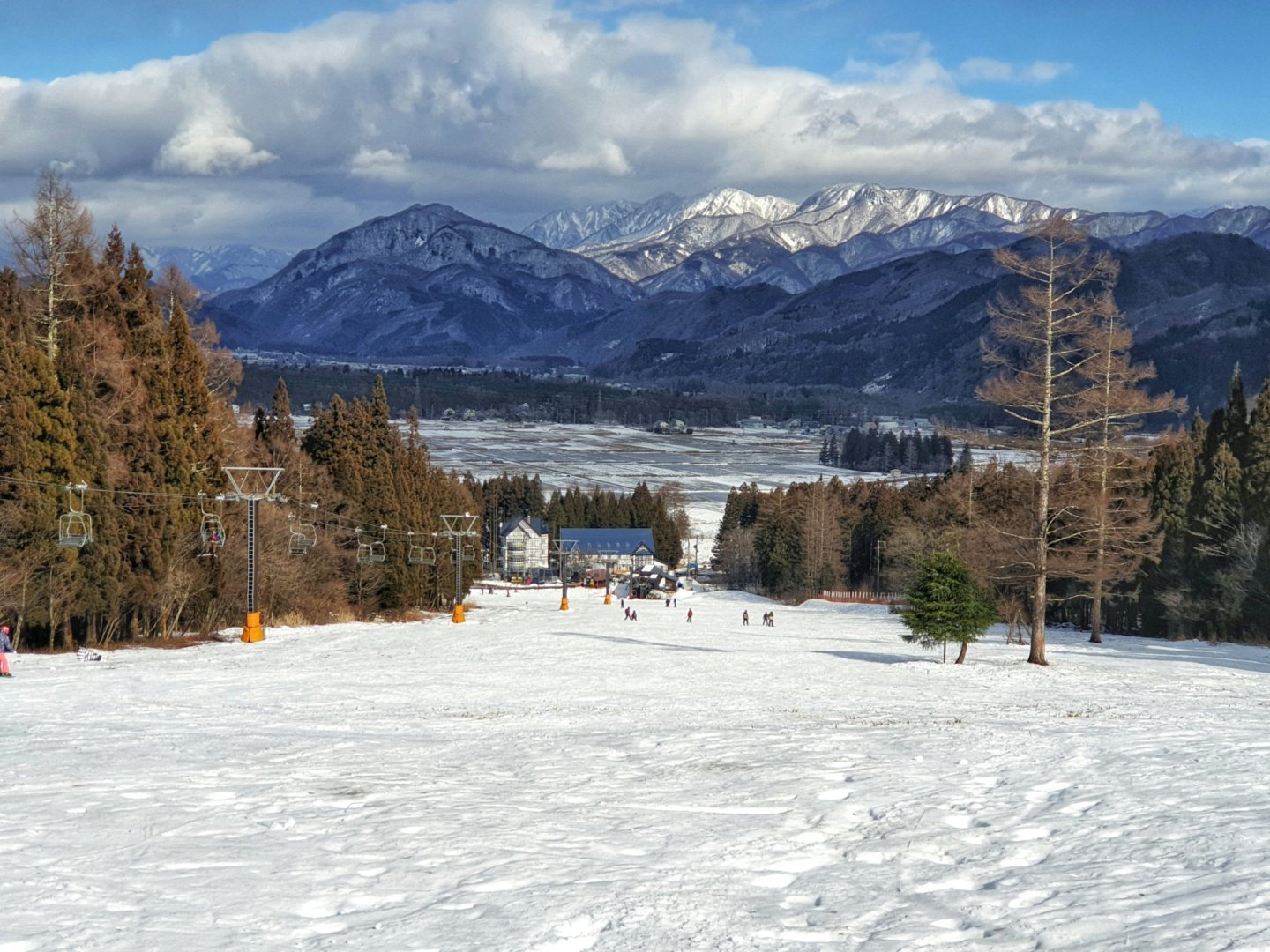
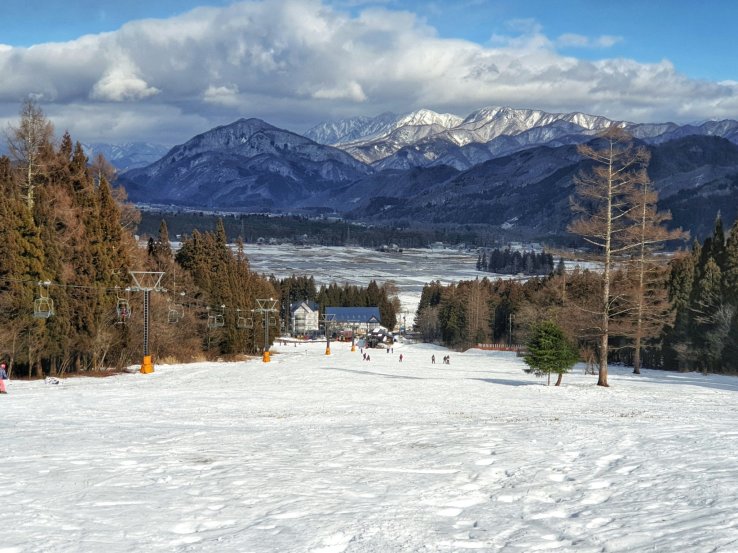
On Honshu, the Japanese Alps provide a different but equally thrilling stage. The valley of Hakuba, which hosted events during the 1998 Nagano Winter Olympics, remains Japan's most Olympic-linked destination. Its collection of resorts attracts athletes from around the world for training, and visitors can ski the same steep faces and wide runs used by elite competitors. The surrounding village scene adds international dining, cozy lodgings, and easy access from Tokyo.
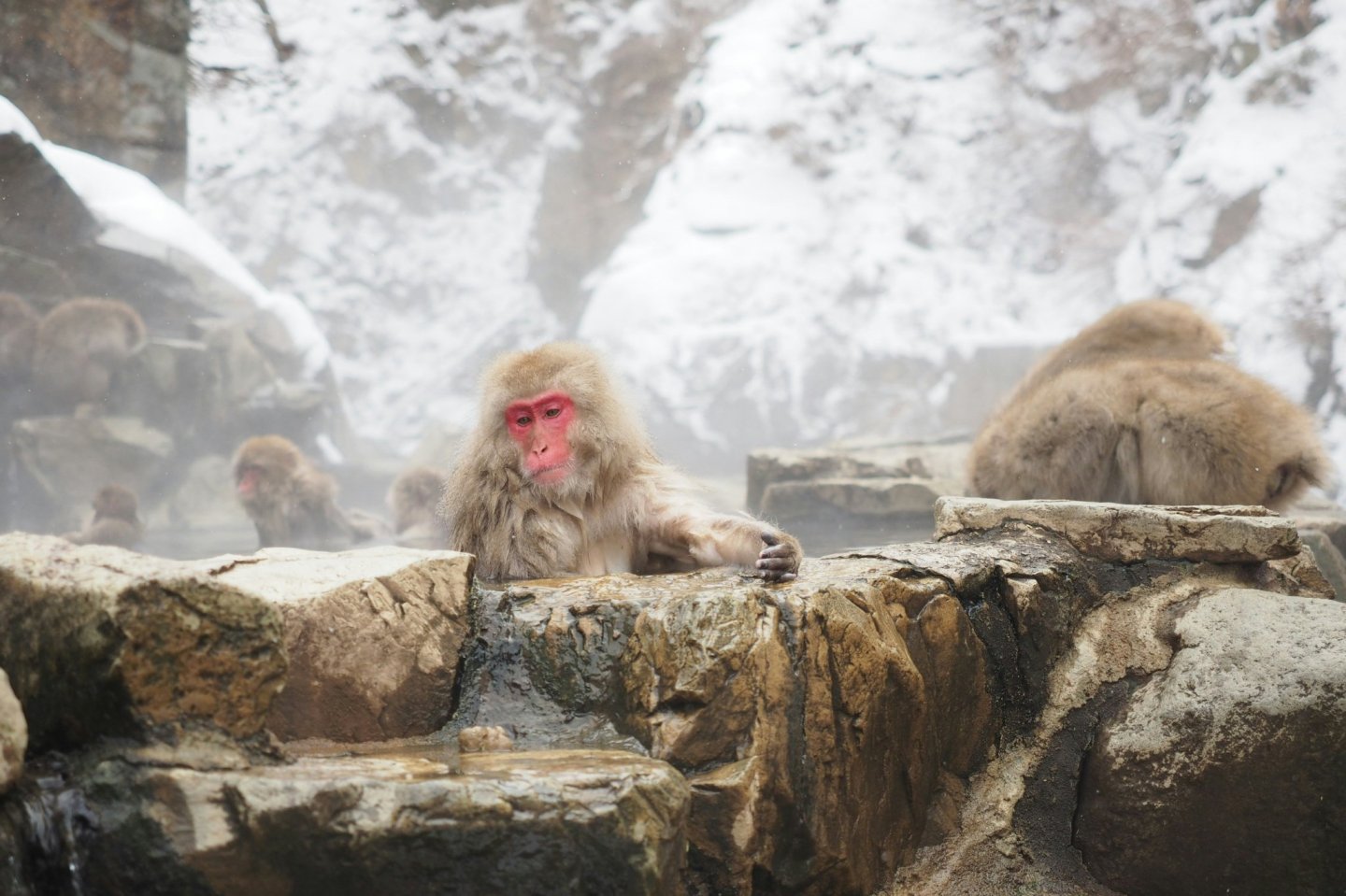
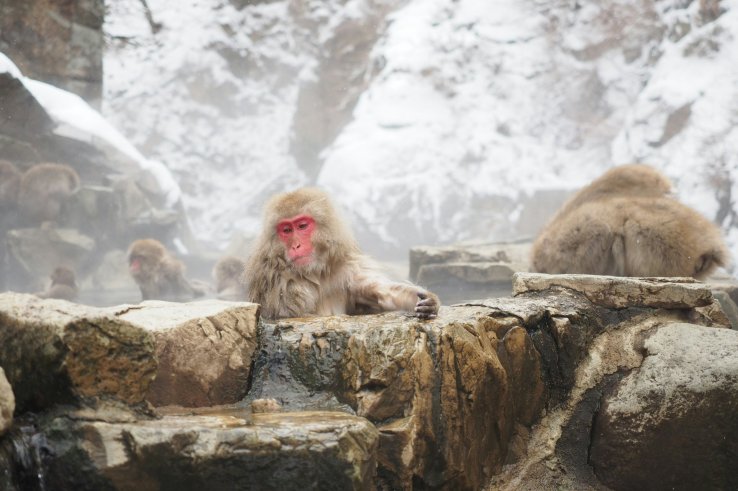
For travelers chasing both scenery and snow sports, Shiga Kogen offers Japan's largest interconnected ski area, with high-altitude terrain that keeps snow reliable deep into the season. It's also a gateway to one of winter's most iconic sights at Jigokudani Monkey Park, where wild macaques soak in steaming hot springs amid falling snow.
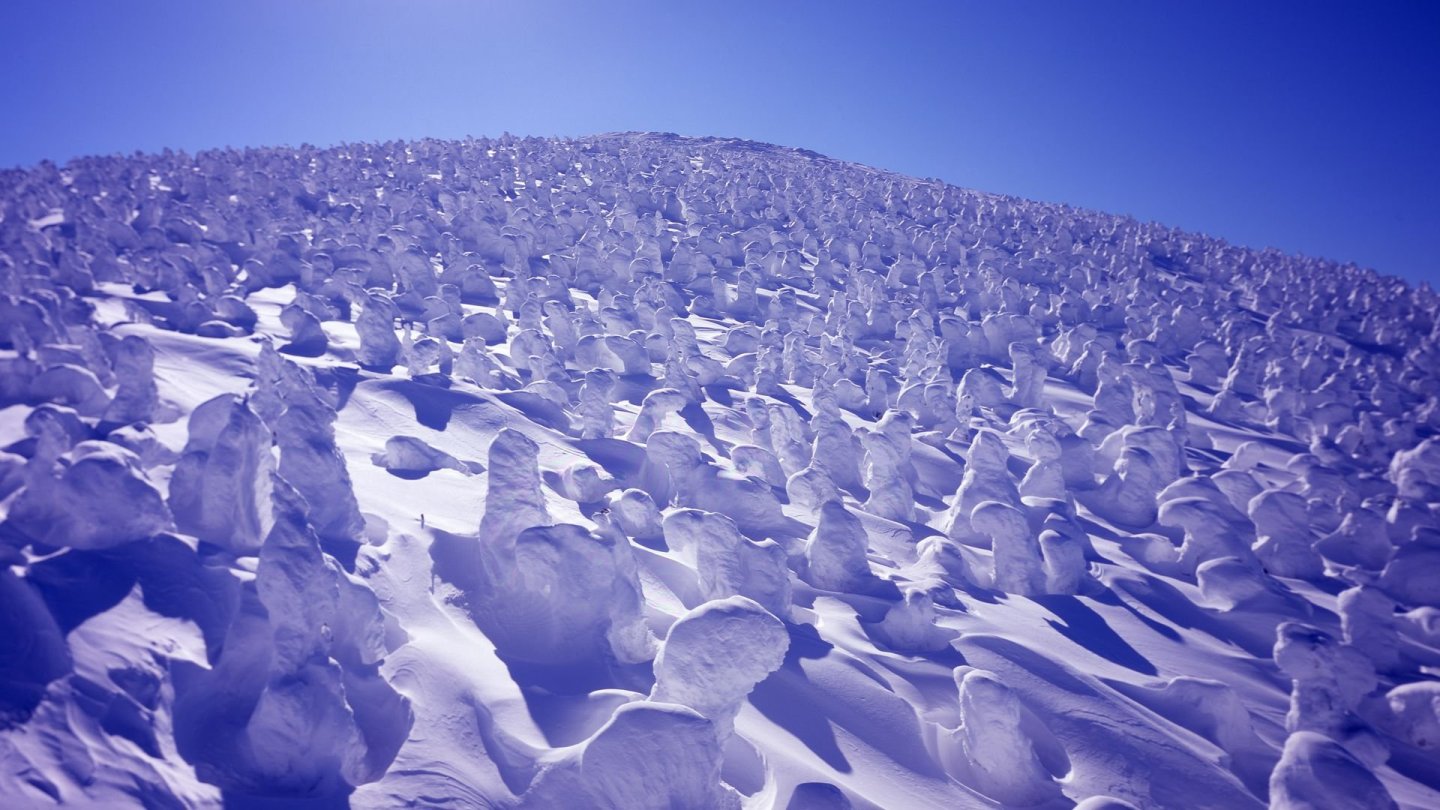
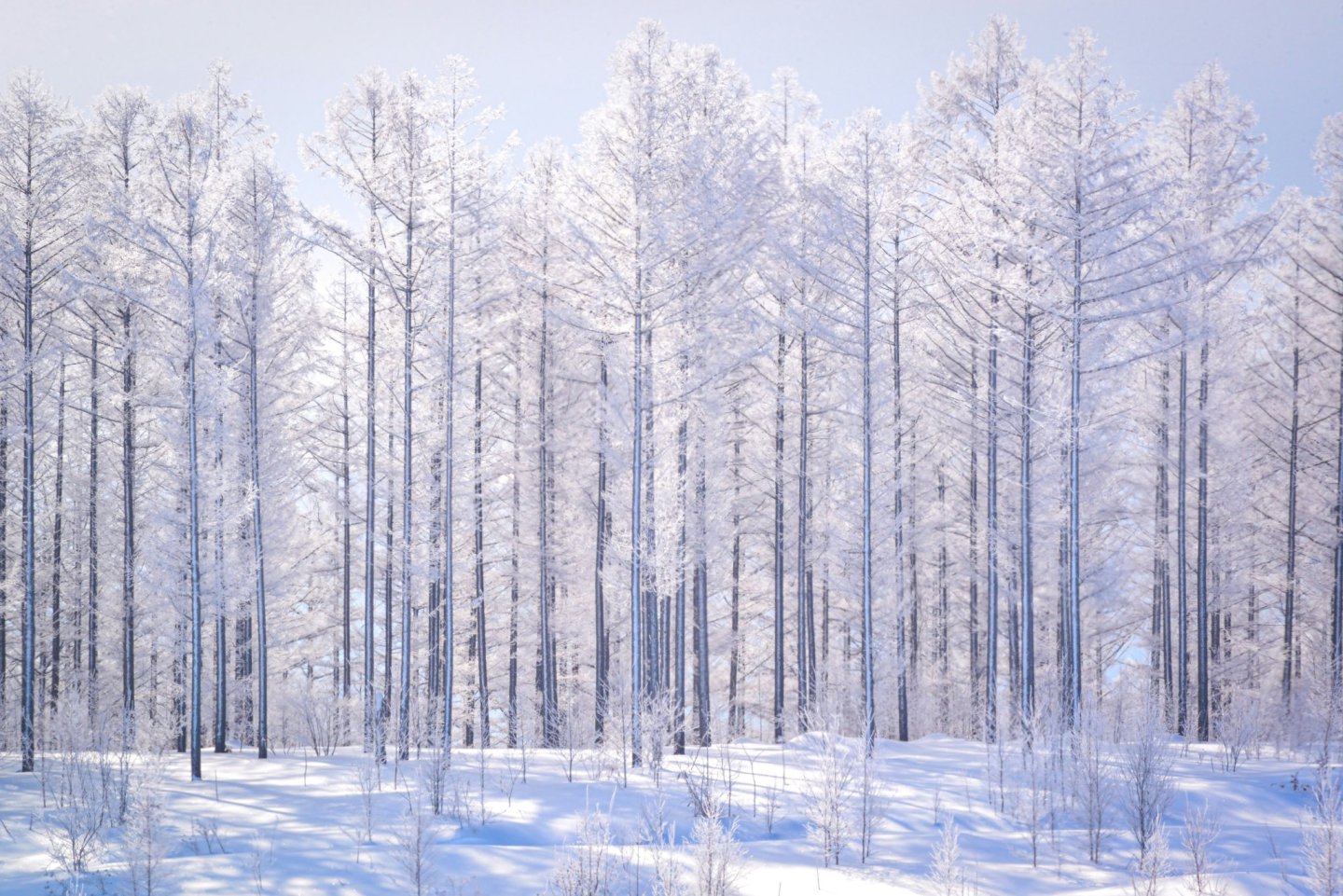
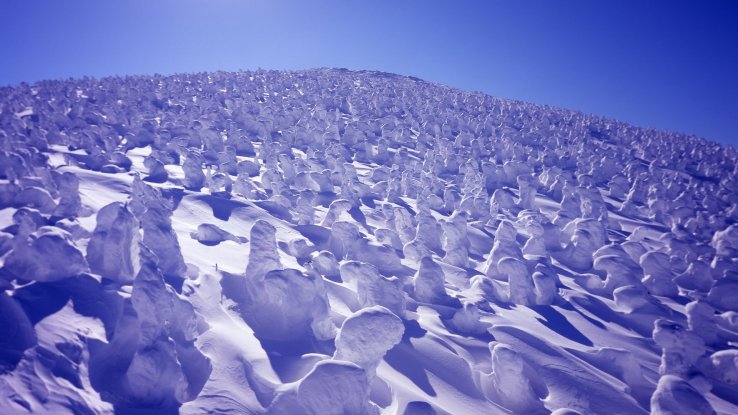
Not all Japanese winter adventures are about high-speed thrills. In northern Tohoku, Zao Onsen is famous for its "snow monsters," where ice-coated trees create a surreal frozen forest across the mountains. Night skiing beneath these formations feels almost otherworldly, and delivers a uniquely Japanese take on the winter sports experience.
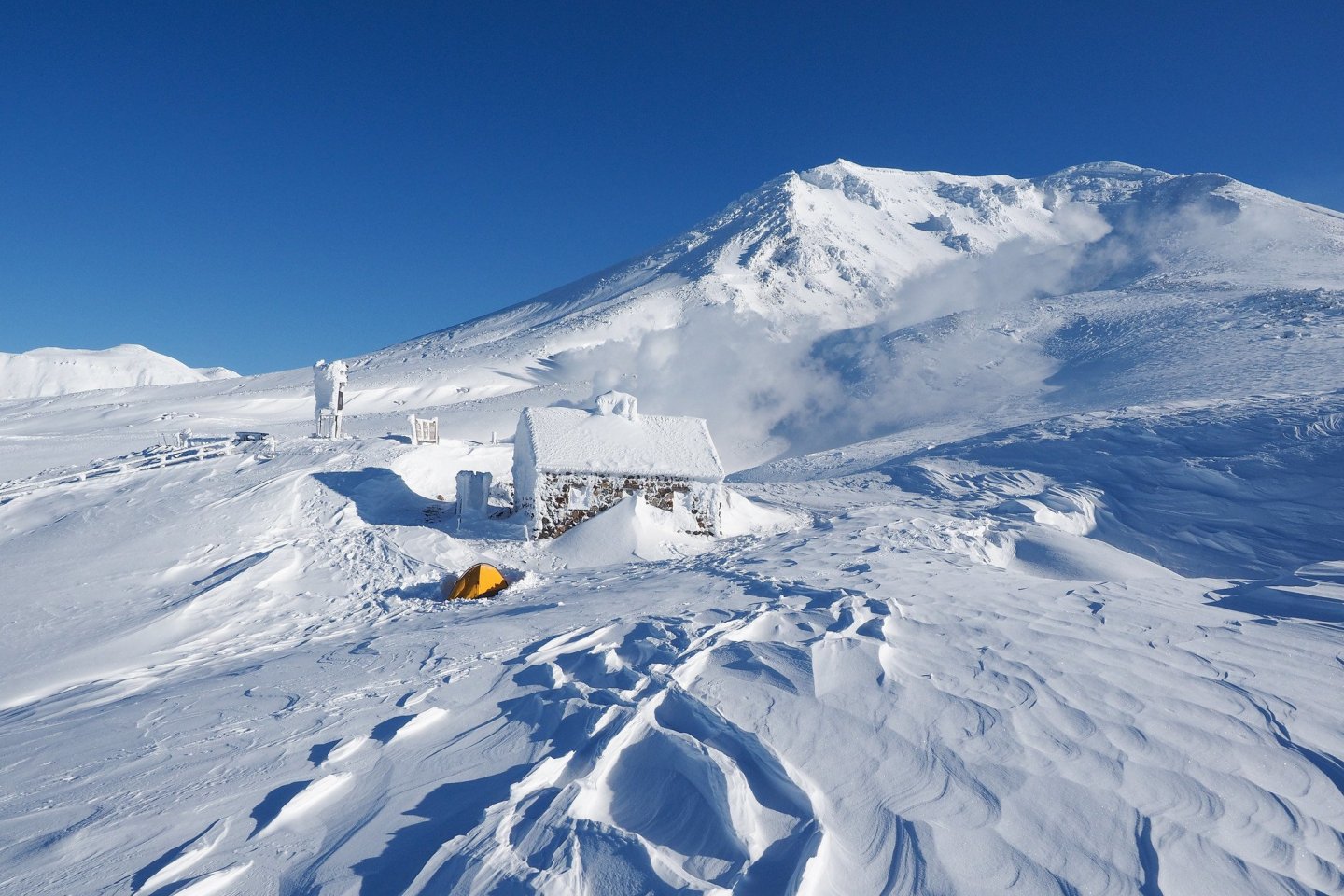
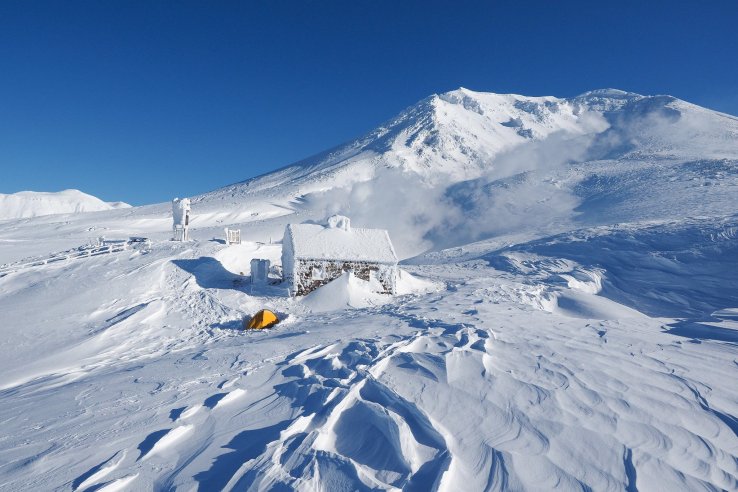
For those seeking the wildest conditions Japan has to offer, many would argue that Asahidake is the country's most extreme winter destination. With minimal lift infrastructure and vast backcountry terrain, it attracts expert skiers and splitboarders chasing untouched lines on an active volcano. It's raw, quiet, and far removed from the polished resort scene, the kind of place that mirrors the extreme environments seen at the highest levels of Olympic competition. Not one for beginners, however!
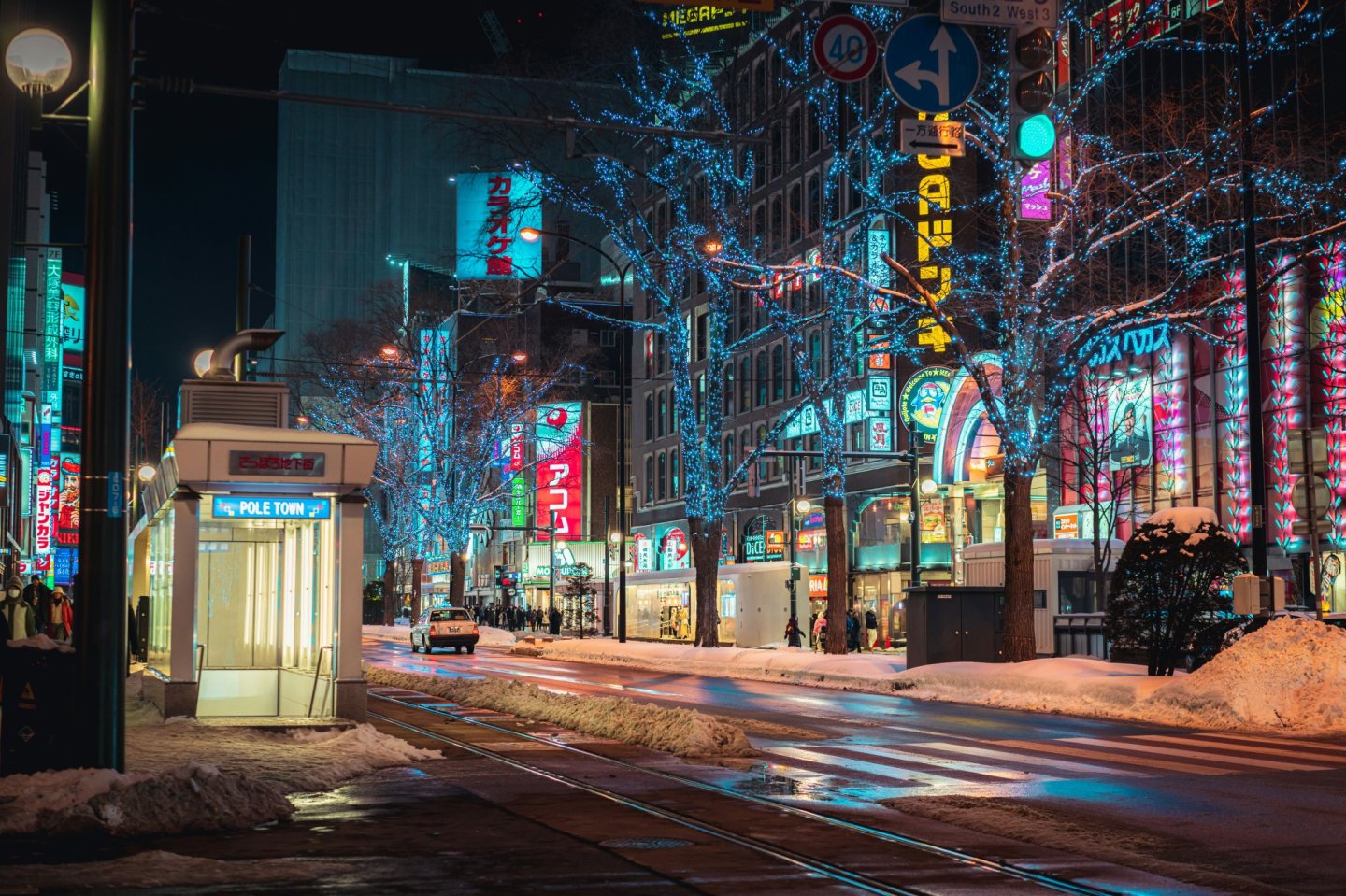
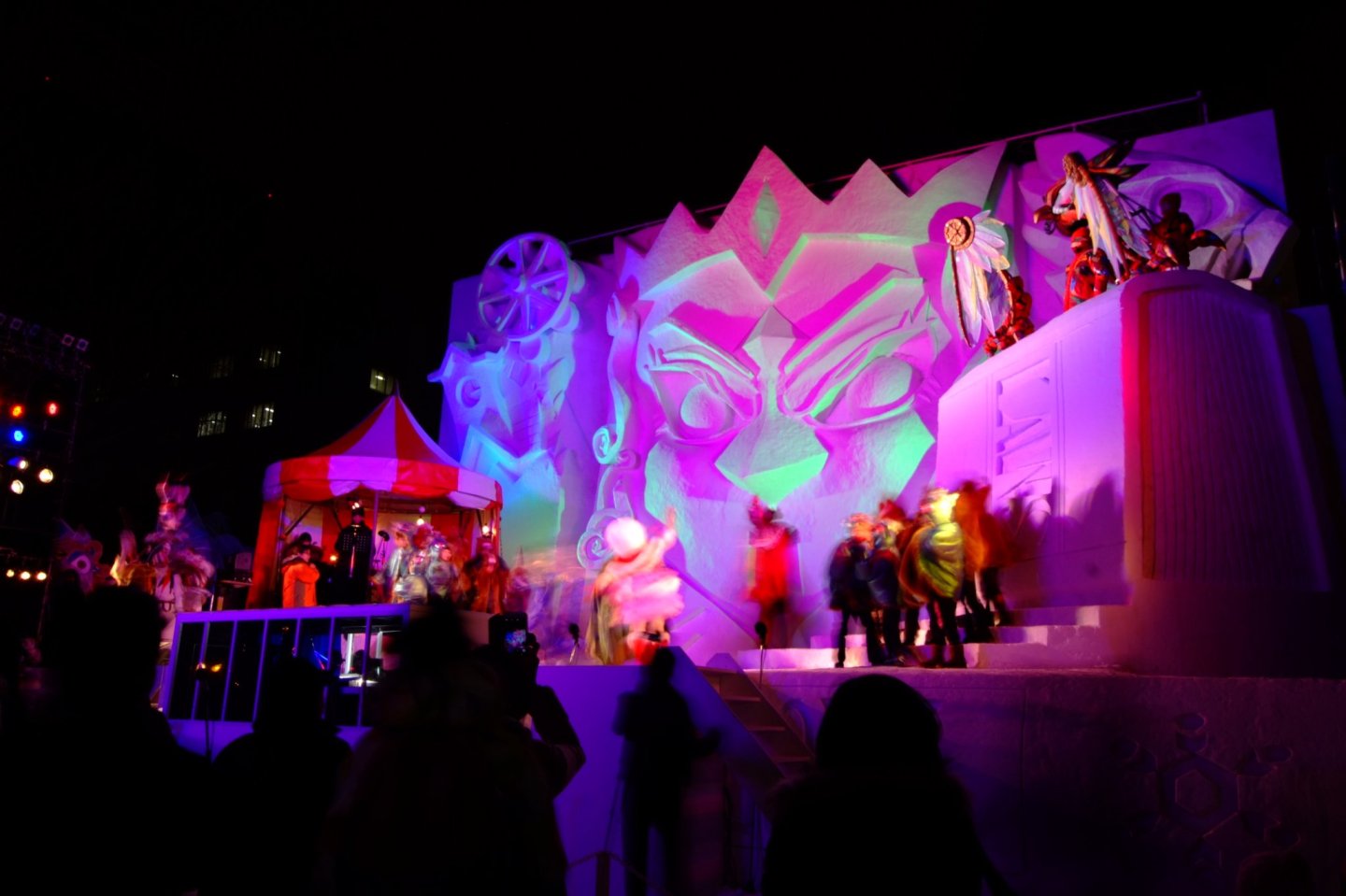
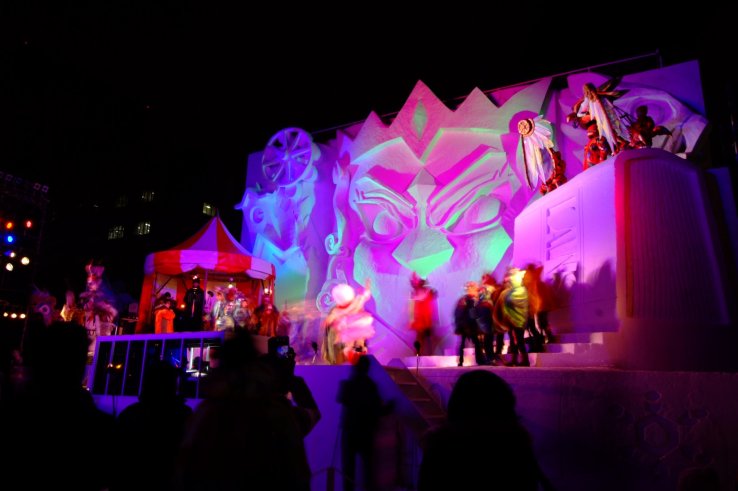
Even Japan's cities lean into the winter sporting spirit. Sapporo combines urban convenience with easy access to multiple ski areas, while also hosting one of Asia's biggest winter festivals. The city's Olympic legacy from 1972 still shapes its sporting culture today, creating a fitting backdrop as the world's attention returns to winter athletics in 2026.
With the Milano Cortina Games igniting fresh global passion for winter sports, Japan stands ready with some of the planet's most reliable snow, varied terrain, and deeply ingrained winter traditions. From carving powder in Hokkaido, to tracing Olympic history in Hakuba, or gliding through volcanic landscapes in Zao, Japan offers its own powerful answer to the Olympic call of the mountains.